
Suppressors have always had a strong following among serious shooters, hunters, and firearm enthusiasts, but 2026 is shaping up to be a major turning point for the suppressor market.
The biggest reason is simple: the federal NFA transfer tax for suppressors has dropped from $200 to $0 for most buyers. While suppressors are still regulated under the National Firearms Act and still require ATF approval, the removal of the $200 tax burden has made suppressor ownership more accessible than it has been in decades.
For many gun owners, that change removes one of the biggest obstacles to buying a suppressor.
For years, anyone purchasing a suppressor had to pay a $200 federal tax stamp in addition to the cost of the suppressor itself. Beginning January 1, 2026, that federal transfer tax was reduced to $0 for suppressors and most other commonly transferred NFA items, excluding machine guns and destructive devices.
That does not mean suppressors are completely deregulated. Buyers still have to go through the ATF Form 4 process, submit the required information, pass the background check, and wait for approval before taking possession of the suppressor.
The difference is that the required tax stamp no longer carries the extra $200 cost.
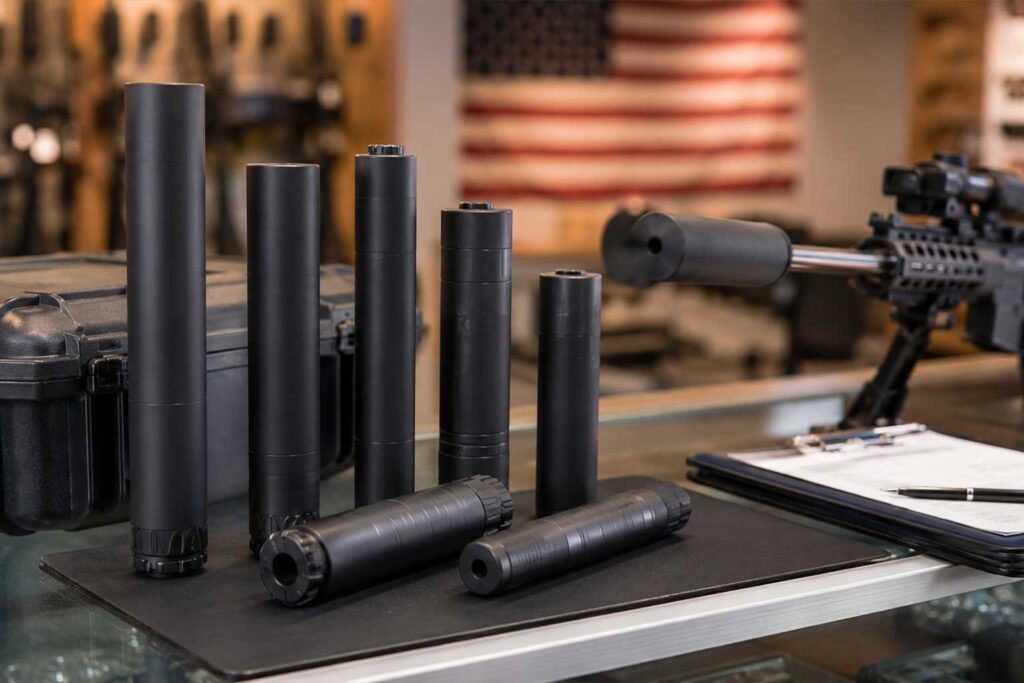
Suppressors are often misunderstood. They do not make firearms “silent” like Hollywood portrays. Instead, they reduce sound, recoil, and muzzle blast. For hunters, sport shooters, and range users, that can make shooting more comfortable and help reduce noise exposure.
As more people learn what suppressors actually do, interest continues to grow. The lower cost barrier is likely to bring even more attention from first-time suppressor buyers, hunters, recreational shooters, and those who want a more comfortable shooting experience.
Suppressors are commonly used for:
They are not a replacement for safe firearm handling or proper hearing protection, but they can be a valuable addition to the right firearm setup.
Another factor driving interest is the improvement in electronic Form 4 processing. ATF’s published data for 2026 shows a large volume of suppressor applications being submitted and processed, with median individual eForm 4 processing times reported in days rather than months.
That matters because long wait times have historically discouraged some buyers. While every application is different and approval times can vary, faster electronic processing has made the process feel much more practical for many customers.
For buyers who have been considering a suppressor, 2026 may be one of the best times to look seriously at the category. The $200 tax barrier is gone, processing has become faster in many cases, and the market is offering more options than ever.
Choosing the right suppressor depends on several factors, including:
A good suppressor purchase starts with matching the right can to the right firearm and purpose. A rimfire suppressor, pistol suppressor, rifle suppressor, and shotgun suppressor all serve different roles.
At County Armory, we help customers understand the suppressor buying process and choose the right option for their needs. Whether you are buying your first suppressor or adding another one to your collection, we can help you navigate the process from product selection to transfer.
Suppressors are one of the most exciting categories in the firearms market right now, and the recent changes have made them more accessible for responsible gun owners.
If you are interested in suppressors, firearm transfers, custom rifle builds, or professional gunsmithing, County Armory is here to help serve Greenville, Hunt County, and the surrounding North Texas area.
https://www.law.cornell.edu/uscode/text/26/5811
https://www.atf.gov/resource-center/current-processing-times
https://americansuppressorassociation.com/legislation/federal-legislation